Strategic Pricing For Sellers In Teller County
June 25, 2026
June 25, 2026
Are you thinking about listing your Teller County home and wondering how to price it without leaving money on the table or watching it sit for weeks? That is a real concern in a market where buyers have options and mountain-property details matter more than many sellers expect. If you price with the local market, recent sold data, and your property’s true strengths in mind, you can protect your negotiating position and attract serious interest early. Let’s dive in.
Strategic pricing matters because Teller County is not a classic seller’s market right now. Realtor.com’s April 2026 county snapshot shows about 697 active listings, a $500,000 median list price, 49 median days on market, and a 98% sale-to-list ratio, with the county classified as a buyer’s market. The March 2026 Colorado Association of REALTORS and ShowingTime MLS report tells a similar story from the sold side.
That MLS report shows 118 new listings, 55 sold listings, 280 homes for sale, 5.0 months of supply, and 98.1% of list price received. It also shows 76 days on market until sale. In simple terms, buyers are still paying close to asking when a home is priced well, but they are not rewarding overpricing just because inventory exists.
A smart list price starts with recent closed sales, not peak-market memories or broad averages. The March 2026 MLS report shows a year-to-date median sales price of $476,000 and an average sales price of $510,936. That spread is a good reminder that averages can be skewed by higher-priced properties, while your likely price range should come from the most comparable recent sales.
This is especially important if you bought or refinanced during a hotter period. Market conditions have shifted, and buyers can compare more listings today. If your starting price is not supported by sold comps, your home may lose momentum during the first few weeks on market.
Teller County is not one single pricing bucket. Realtor.com’s city-level data shows notable differences across local markets, including a median list price of $594,000 in Woodland Park, $512,000 in Florissant, $490,000 in Divide, $369,500 in Cripple Creek, and $307,500 in Victor. Days on market also vary by town.
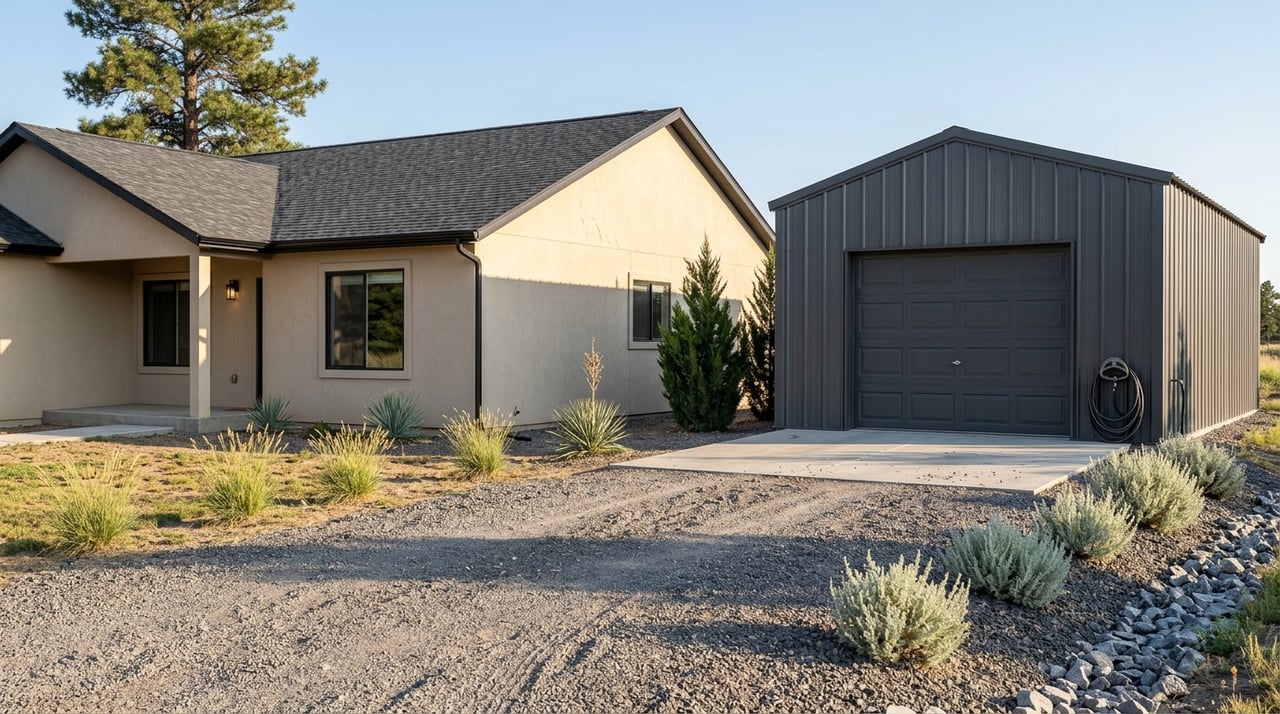
That means your best comps are usually not just “homes in Teller County.” They are homes in the same town, subdivision, or nearby pocket with similar features and similar buyer expectations. A cabin on acreage with a well and septic should not be priced the same way as a more accessible in-town property with different utility and access conditions.
When comparing your home to recent sales, focus on properties that are close to yours in:
The closer the match, the more useful the comp. In mountain and rural markets, these details can move value more than surface-level finishes alone.
In Teller County, pricing is not only about bedrooms, baths, and square footage. Buyers often look closely at how a property functions through all four seasons. That is why homes with strong usability and fewer unknowns often stand out faster.
The county’s road classification page states that roads not built to county standards receive only emergency access and maintenance until upgraded. The county’s snow and ice policy also says its first priority is in-and-out access to county roads, generally within 24 hours after snow stops, while arterial roads and school bus routes receive priority during storms. For sellers, that means road access, plowing, and driveway condition can directly affect buyer confidence.
If your property has easy year-round access, that can support stronger pricing than a similar home with a steep driveway or less predictable winter usability. Buyers moving from the Front Range may pay close attention to these practical issues. They want to know what daily life looks like, not just what the photos show.
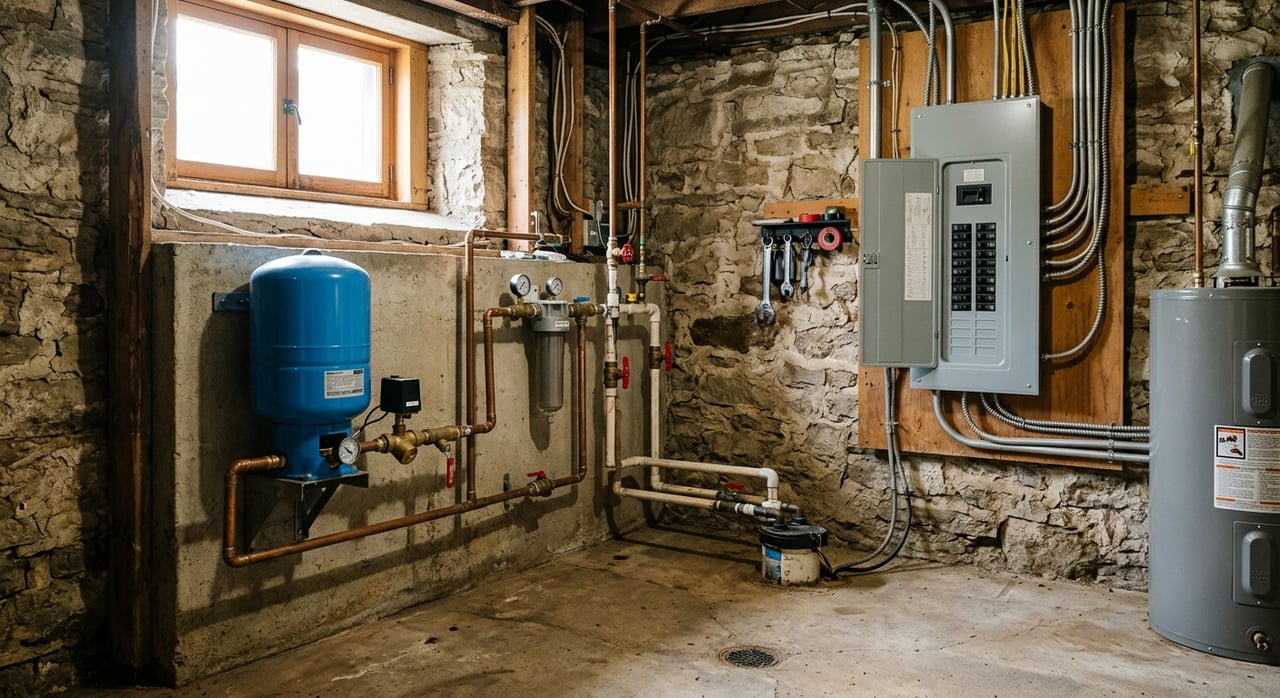
Teller County’s single-family permit application asks about water source, wastewater type, driveway permits, and soils reports. That tells you something important about local buyer thinking. Well, cistern, septic, and site-work details are not minor paperwork items in this market.
If your property has a straightforward utility setup, documented improvements, or a well-maintained septic system, those details can help support your price. If the setup is more complex, it may still sell well, but the price should reflect the buyer pool and maintenance expectations.
A May 2026 Gazette profile quoting a local Teller County Realtor noted that homes in good repair with views, privacy, and fire mitigation are especially desirable. Teller County also maintains wildfire information and a Wildland Fire Council focused on mitigation. In practical terms, buyers may place real value on defensible space, visible upkeep, and signs that the property has been responsibly maintained.
That does not mean every seller needs a major remodel before listing. It does mean condition adjustments should be honest. In this market, basic maintenance and mitigation can carry more weight than cosmetic styling by itself.
Some sellers assume spring automatically means they can push price higher. In Teller County, the data suggests a more careful approach. Inventory tends to rise with the season, which can also mean more competition.
For example, January 2026 single-family data showed 79 new listings, 42 sold, 250 homes for sale, and 4.6 months of supply. By March 2026, that had moved to 118 new listings, 55 sold, 280 homes for sale, and 5.0 months of supply. Looking back to May 2025, there were 152 new listings, 57 sold, 368 homes for sale, and 7.0 months of supply.
Those snapshots suggest that spring and early summer may bring more buyer attention, but also more choices. Timing can help your launch, but it should not be the reason for an aggressive price that the comps do not support.
Overpricing often sounds safe at first. Some sellers think they can test the market high and reduce later if needed. In practice, that strategy can weaken your position.
The March 2026 MLS report showed sellers received 98.1% of list price on average, but homes still took 76 days on market until sale. The Gazette profile also warned that homes priced too aggressively, especially homes needing updates, can sit longer and become harder to sell after repeated price drops.
When a home lingers, buyers may assume something is wrong or expect a deeper discount. That can lead to lower offers, more negotiation pressure, and less excitement than a strong launch would have created.
In a balanced market that leans toward buyers, the strongest pricing strategy is usually simple and disciplined. You want a launch price that reflects the best comparable sold properties and the real strengths of your home.
Here is what that often looks like:
That early response matters. If buyers are touring but not offering, your price or condition may need adjustment. If showings are light from the start, the list price may be too high for the current pool.
Your first weeks on market are when your listing is freshest and most likely to draw attention from serious buyers already watching Teller County inventory. If your price aligns with market expectations, you give yourself the best chance to create urgency. If it misses the mark, you can lose valuable time.
This matters even more in a county where new listings can outpace sold listings. In March 2026, there were 118 new listings and only 55 sold listings. That kind of competition means buyers can keep moving if a home feels overpriced.
It is common for sellers to look at assessed value and use that as a pricing anchor. In Teller County, that can be misleading. The county’s Notice of Value page says 2025 valuations were based on market data collected from July 1, 2020 through June 30, 2024, and no market information after June 30, 2024 could be considered for 2025 and 2026 valuations.
That makes assessed value useful for tax administration, but not for setting today’s market-ready list price. Recent closed sales are the better guide. If you anchor too heavily to assessed value, you may miss where current buyer demand actually sits.
A well-priced home does more than attract clicks. It helps you negotiate from a position of strength. When buyers see that your price makes sense relative to the market, they are more likely to take the listing seriously and submit cleaner offers.
That does not mean you price low without reason. It means you price credibly, present the home well, and let the market respond. In Teller County, that approach often works better than asking buyers to overlook road, utility, condition, or access issues that the comps already reflect.
If you are planning to sell in Teller County, a calm, data-driven pricing plan can make a meaningful difference in your result. When you combine recent sold data, hyperlocal comparisons, and honest adjustments for mountain-property realities, you give yourself a better chance to sell with less friction and stronger leverage. If you want help building a pricing strategy that fits your property and your timing, Galen Becker can help you prepare, price, and launch with confidence.
Stay up to date on the latest real estate trends.
Whether buying, selling, or investing, Galen Becker provides tailored strategies and expert support to achieve your real estate goals.